
Introduction
When most parents hear “school success,” their minds jump straight to grades, report cards, and class positions. To most, an A feels like a gold medal. A C gives them mild panic. And a D calls for an emergency family meeting.
But the truth is this: grades are not the primary determinant of success. Grades may open doors, but confidence determines whether a child actually walks through them. Simply put, grades measure academic performance-confidence determines real-world success.
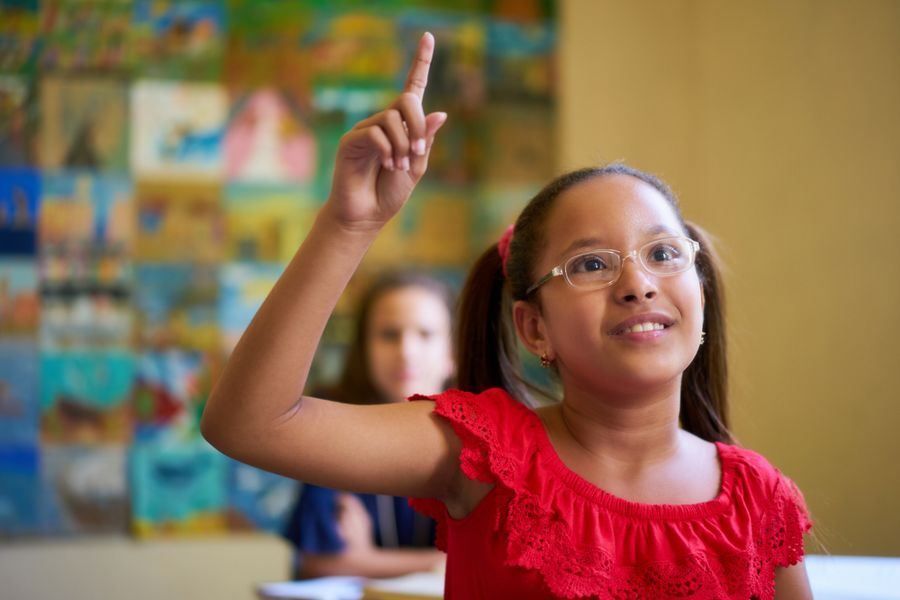
In primary and secondary school, confidence is a core life skill just as important as literacy, numeracy, and exam performance, and sometimes even more so. Parents who focus solely on grades risk raising children who have knowledge but lack the confidence to act on it. A child can memorize formulas, definitions, and answers.
But without confidence:
- They won’t ask questions
- They won’t volunteer answers
- They won’t attempt challenges
- They won’t speak up when it matters
Confidence is what activates knowledge. This is why child development experts increasingly emphasize confidence building in children as early as primary school. It shapes classroom performance. In every classroom, confident students participate more actively, take on difficult tasks, and recover faster from failure.
Of course, low confidence has nothing to do with intelligence but it is the fear of being wrong that freezes capable minds, leaving students hesitant, withdrawn, and unable to take the steps that lead to growth and achievement.
Think of confidence as the engine behind skills like;
- Communication
- Leadership
- Problem-solving
- Decision-making
- Creativity
When a student is built on these strong core life skills, the chances of failing in life are nearly nonexistent.
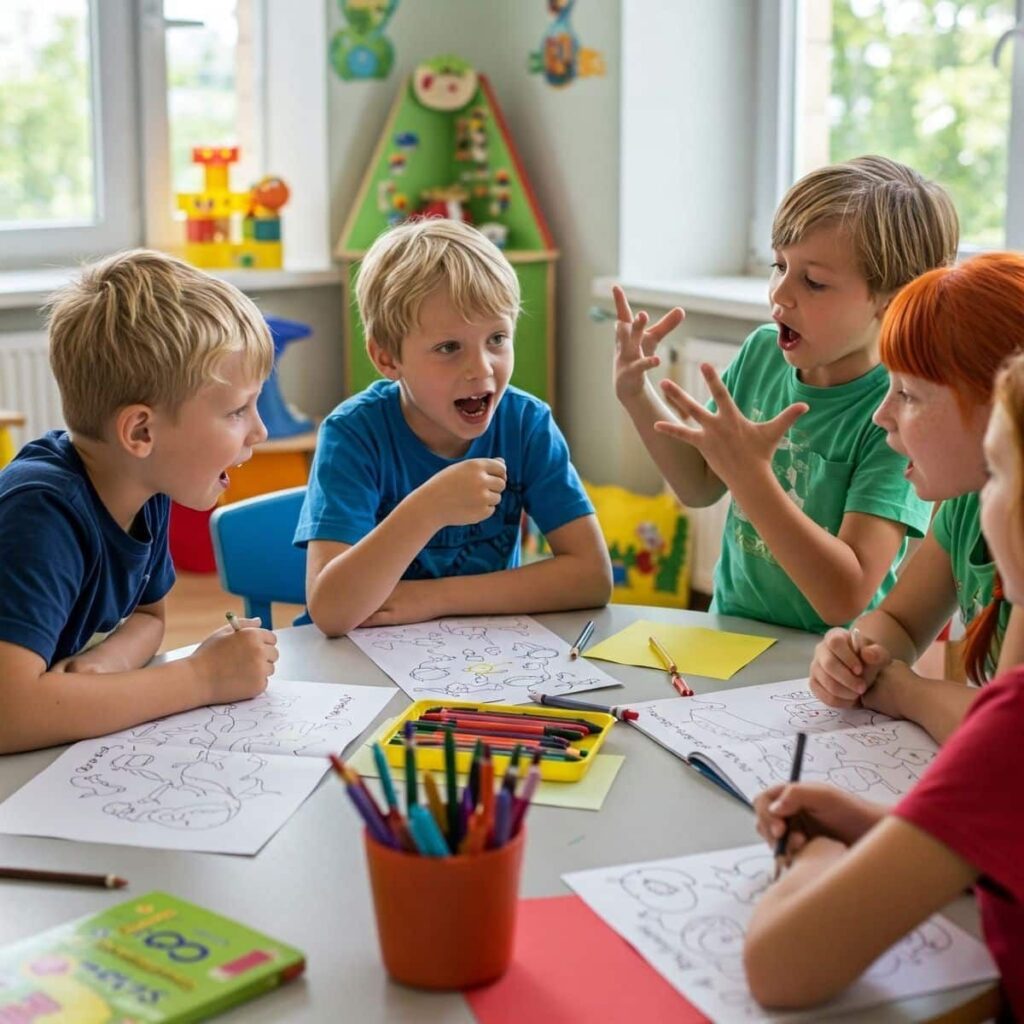
Modern education demands students who can think, speak, and adapt. This is why schools that balance academic excellence and emotional intelligence consistently produce better long-term outcomes.
Primary School is where Confidence Is First Installed.
Primary education answers lifelong questions like:
Can I try?
Is it okay to fail?
Do my ideas matter?
Children praised only for grades learn:
“I’m valued when I’m perfect.”
Children encouraged for effort learn:
“I’m capable even while learning.”
That mindset predicts future success more than early grades.
Secondary School is where Confidence Protects Identity
Secondary school introduces:
Peer comparison
Academic pressure
Social judgment
Here, confidence becomes protection against fear of failure, peer pressure, and academic burnout.
What Parents Can Do To Instill Confidence In Children
- Praise Effort, Not Just Results; This builds resilience and growth mindset.
- Allow Safe Failure; Confidence grows when mistakes are survivable.
- Encourage Expression at Home; Children who speak freely at home speak confidently at school.
- Reduce Fear, Not Standards; High expectations + emotional safety = peak performance.
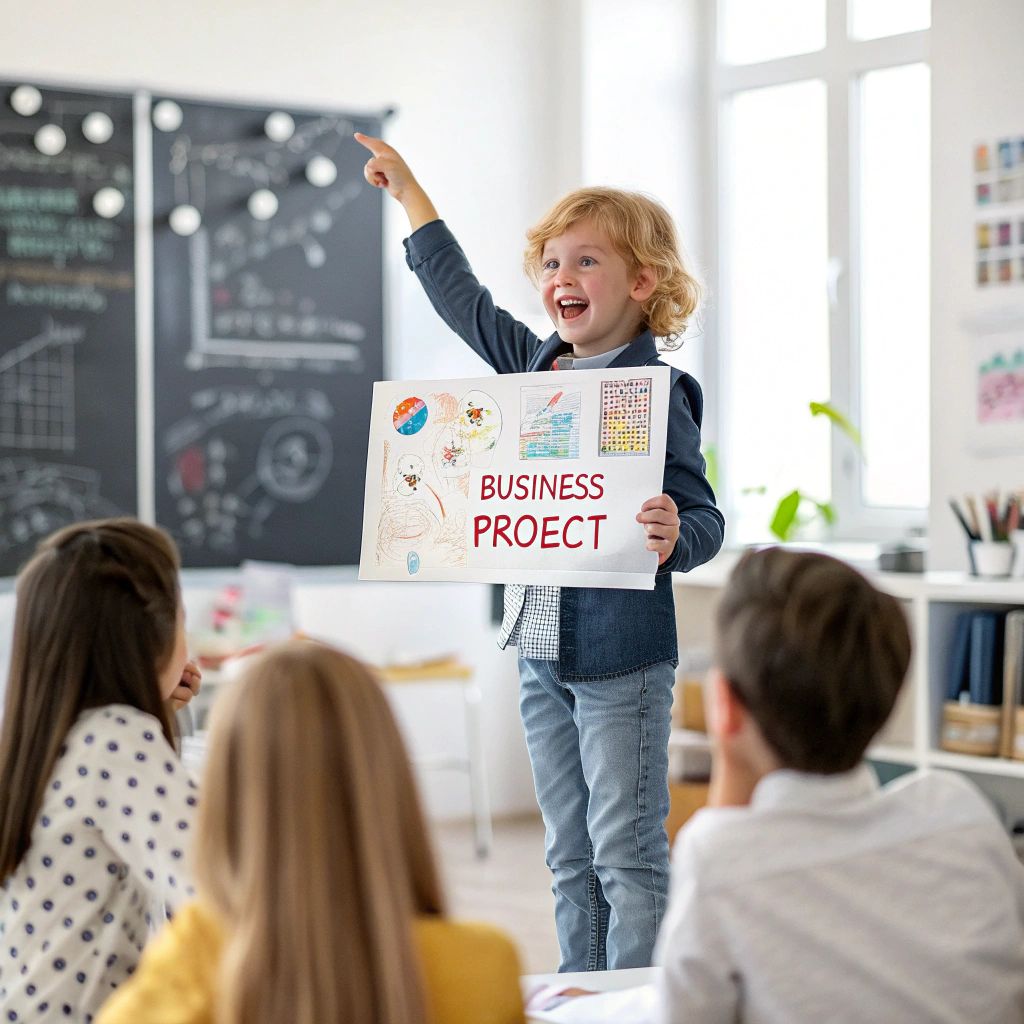
IN CONCLUSION
Raise capable humans, not just top students.
Education should do more than chase grades; it should build children who believe in themselves. When confidence and academics develop together, children gain more than certificates they gain the ability to succeed in life.
Remember:
Grades attract attention.
Confidence sustains success.
At eTutorialss, we guide your child through learning with personalised online training tailored to their needs. Click here to get started